About DRONE SAFETY RULES
The dos and don'ts of flying
You must:
- only fly one drone at a time
- always fly your drone in a visual line-of-sight — this means:
- flying only during the day or at Night with FAA restrictions.
- avoid flying through clouds, fog, or smoke
- you can always see your drone with your own eyes — not by using goggles, binoculars, or another device
- not flying behind obstacles that stop you from always seeing your drone. For example, trees, buildings or other structures.
You must not fly your drone:
- higher than 400 ft (120 m) above ground level — that's about the height of a 35-storey building or length of a football field
- close to people — other than those helping to control or navigate your drone
- over or above people at any time or height — a crowded beach, busy road, sporting event, concert or wedding are all populated areas
- in a way that creates a hazard to another person, property or aircraft
- near emergency operations
- in prohibited or restricted airspace (use a drone APP to help you)
- closer than 5 miles to a controlled airport, which usually has a control tower, if your drone weighs more than 250 g. You can operate indoors provided the drone can’t get out of the building. If you’re a Part 107 license holder, please see more information on flight authorizations.
You may operate your drone within 5 miles of a non-controlled airport or helicopter landing site if:
- there are no crewed aircraft flying in the area
- you see any crewed aircraft flying to or from the airport or helicopter landing site you land as soon as safely possible
- you stay outside the airfield boundary.
Flying near emergencies
You must not fly your drone during emergency operations. Flying your drone near emergencies can cause major safety hazards to response teams in the air and on the ground.
Using your drone to film or see a fire front might be tempting, doing so could hamper emergency services and break the drone safety rules.
If you fly – other firefighting and rescue aircraft can't.
For your safety and others, do not fly your drone during:
- natural disasters – bushfires, floods, electrical storms, hurricanes and cyclones
- emergency operations – traffic accidents, tactical response, training or rescue operations.
City Culture
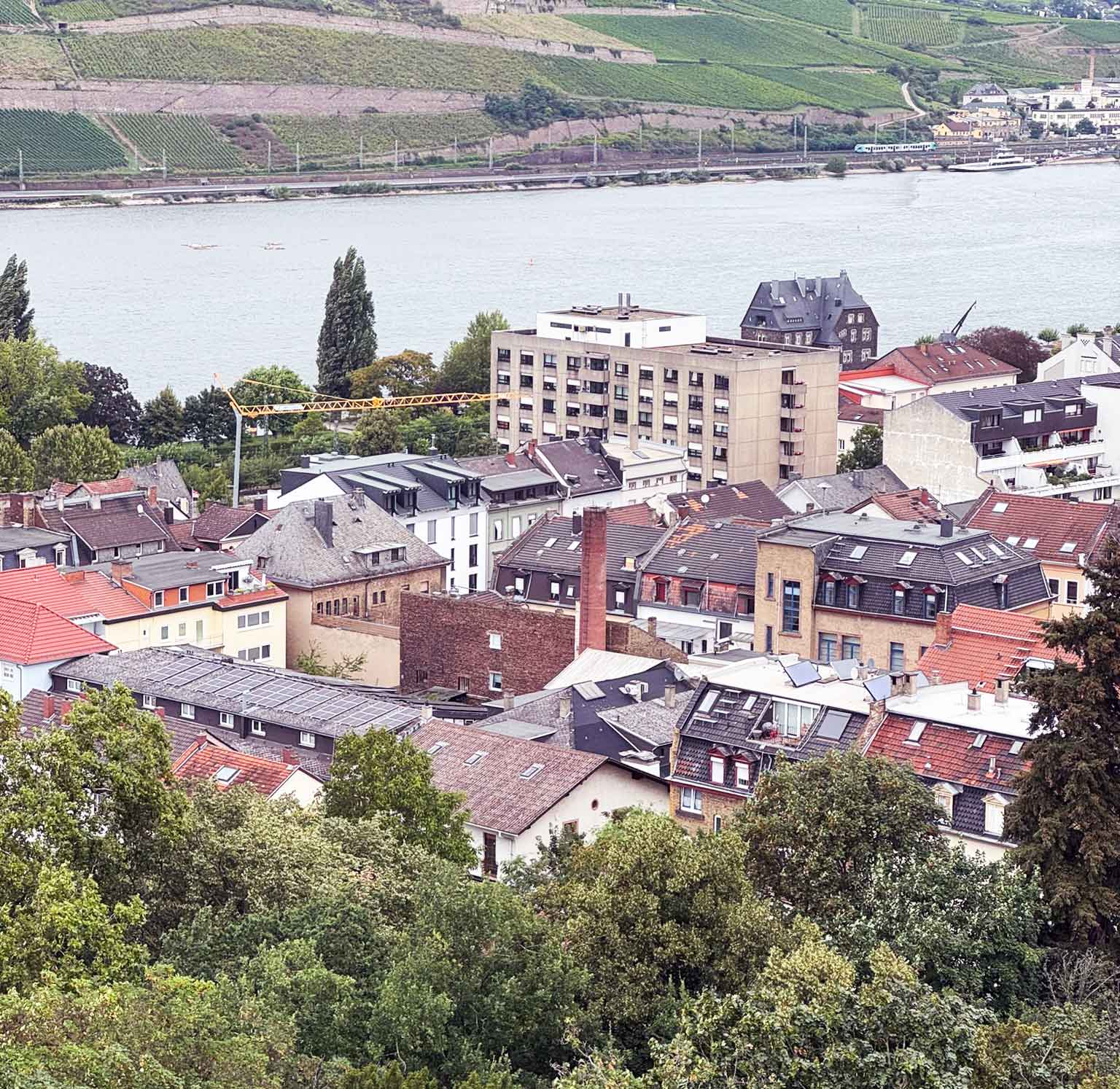
Here are some general guidelines for flying a drone legally in the city:
1. Register your drone with the Federal Aviation Administration (FAA) and obtain a remote pilot certificate if you plan to use it for commercial purposes.
2. Check for any local or state laws and regulations regarding drone usage. Some cities may have specific ordinances or restrictions on flying drones in certain areas.
3. Always keep your drone in sight while flying it and avoid flying over people or private property without permission.
4. Respect other people's privacy and avoid taking photos or videos of individuals without their consent.
5. Avoid flying your drone near airports, military bases, or other restricted airspace.
6. Follow FAA guidelines on safe flying practices, including staying below 400 feet, flying during daylight hours, and avoiding flying in adverse weather conditions.
7. Consider purchasing liability insurance to protect yourself from any potential damages or accidents caused by your drone.

ABOUT ANTHONY SEGURA
Anthony Segura
📍 Albuquerque, New Mexico USA | 📧 anthony@sureresource.com | 📞 (505) 263-9090 |
Professional Summary
Part 107 certified Remote Pilot and EU-licensed drone operator (A1-A3 & A2), with strong expertise in UAS operations across diverse airspaces. Experienced in complying with both FAA and EASA regulations. Adept at aerial data collection, safety protocol implementation, and mission planning. Passionate about leveraging drone technology in commercial, creative, and industrial applications.
Certifications
- FAA Part 107 Remote Pilot Certificate (United States)
- EU UAS Remote Pilot Certificate A1-A3 (European Union)
- EU UAS Remote Pilot Certificate A2 (European Union)
Core Skills
- UAS Operations & Airspace Compliance
- Flight Planning & Risk Assessment
- Aerial Photography & Videography
- Drone Mapping & Surveying
- Mission Planning Software (DJI Pilot, DroneDeploy)
- Post-Processing Tools (Adobe PhotoShop, Wondershare Filmora)
- Equipment Maintenance & Troubleshooting
- International Aviation Regulations (FAA & EASA)
Professional Experience
Freelance Drone Pilot
Self-Employed | Various Locations | 2012 – Present
- Conducted commercial drone operations for clients in real estate, construction, and media sectors.
- Operated drones in controlled and uncontrolled airspace with full regulatory compliance.
- Captured high-resolution aerial imagery and created georeferenced maps using GIS tools.
- Coordinated with clients to develop shot lists and flight schedules.
- Maintained detailed flight logs and maintenance records in accordance with FAA and EU regulations.
Equipment Operated
- DJI Mavic 2 Zoom
- DJI Mavic 3 Pro
- DJI Mini 3 Pro
- DJI Mini 5 Pro
Education
Pilot Institute - Part 107 and Mapping course
Projects
Wind Turbine Inspection (USA) – Used an DJI Mavic 3 to conduct structural inspections for civil engineers under Part 107 licensing requirements.
Wildlife Survey (USA) – Deployed DJI Mavic 3 Pro to capture data for environmental monitoring across protected mountainous areas, complying with Part 107 flight restrictions.
Languages
- English (Fluent)
- Spanish (Semi-Fluent – optional, if applicable)